System Architecture 系统架构
Decentralized Control System. 分布式控制系统.
A distributed control system (DCS), which is used for ventilation and production control of livestock house, is much simplified than that used for industrial control. It relies on a central climate controller with or without production functions, embedded smart devices, such as EC fans with integrated drive, and sensors, which are all linked together by dual-way communication. 用于畜禽舍通风和生产控制的分布式控制系统 (DCS) 比工业控制中使用的系统大为简化。它依赖于带或不带生产功能的中央气候控制器,以及嵌入式智能设备(如带集成驱动的 EC 风机)和传感器,所有这些设备都通过双向通信连接在一起。
The DCS concept increases reliability and reduces installation costs by localising control functions near the embedded smart devices, with remote monitoring and supervision. DCS 理念通过将控制功能本地化在嵌入式智能设备附近,并通过远程监控和管理,从而提高了可靠性并降低了安装成本。
A DCS for livestock house is shown as below. 畜禽舍的 DCS 系统如下图所示。
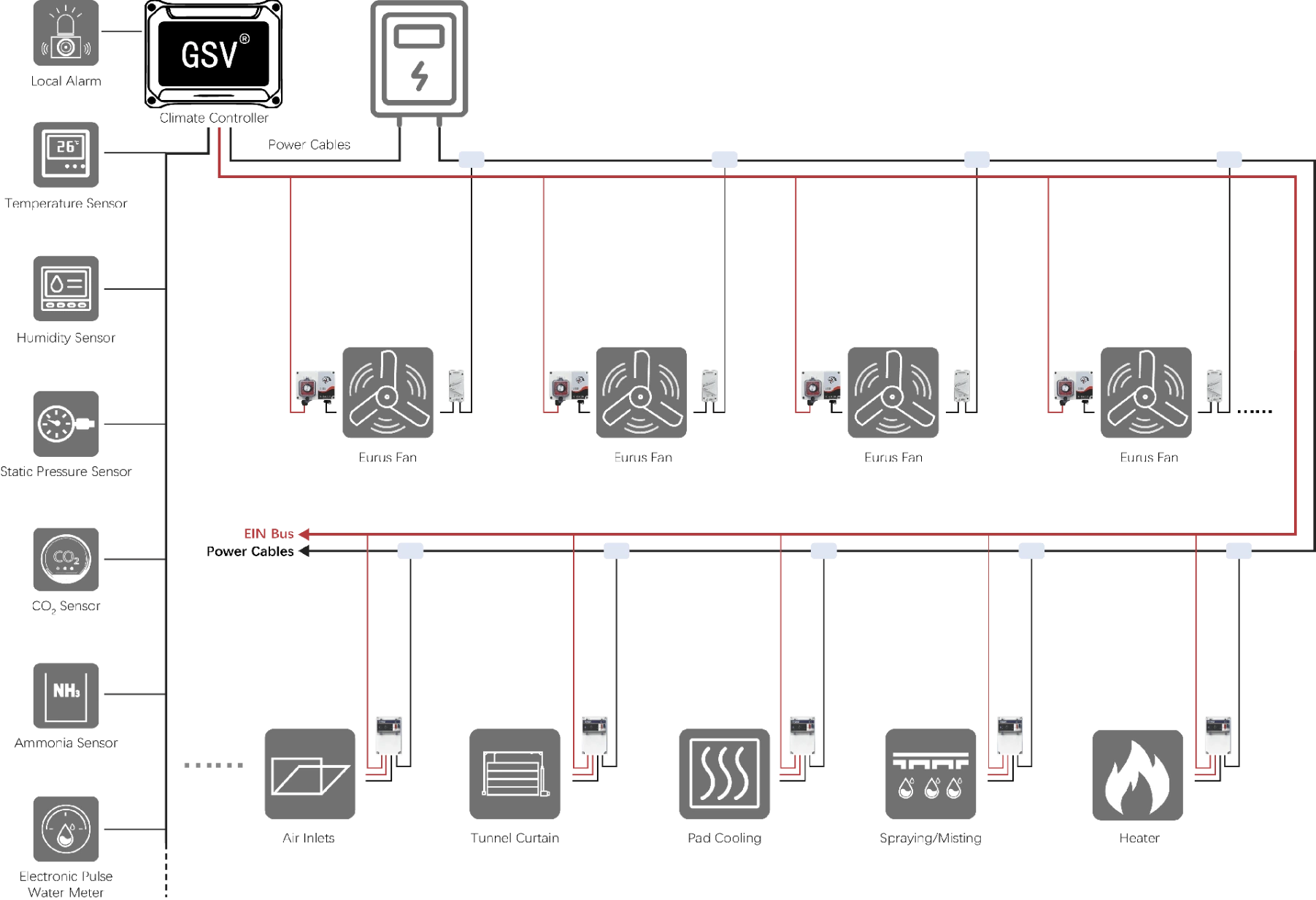
Figure 1 : Distributed Control System 图 1 : 分布式控制系统
Core Benefits 核心优势
Features and Advantages. 功能与优势.
Reliable Communication 可靠通信
EIN reliable communication mode based on RS485. 基于 RS485 的 EIN 可靠通信模式。
Simplified Power 简化供电
Simplifies power supply and distribution system. 简化供电与配电系统。
Material Optimization 优化材料
Reduces the quantity of electric components and the amount of installation materials. 减少电气元件数量与安装材料用量。
High Reliability 高可靠性
Reduces system failure rate and improves overall system reliability. 降低系统故障率,提升整体系统可靠性。
Installation Efficiency 高效安装
Reduces costs of on-site electrical installation and commissioning. 降低现场电气安装与调试成本。
Easy Troubleshooting 便捷排障
Easy for routine maintenance and rapid troubleshooting. 便于日常维护和快速故障排查。
Investment Savings 节省投资
Up to 50% investment savings comparing to traditional solutions. 与传统方案相比,最高可节省 50% 的投资。